How to maintain a watercourse
A ditch, stream or river is part of a connected system. Careful maintenance can deal with a blockage while protecting the plants, banks and habitats around it. Start by finding out what has changed, who is responsible and what permissions you need.
First, get to know your watercourse
Your watercourse might be a river, burn, beck, stream, rhyne or ditch. It may run underground through a pipe or other enclosed channel called a culvert. Even a small ditch that is dry for part of the year can carry a substantial amount of water during rain.
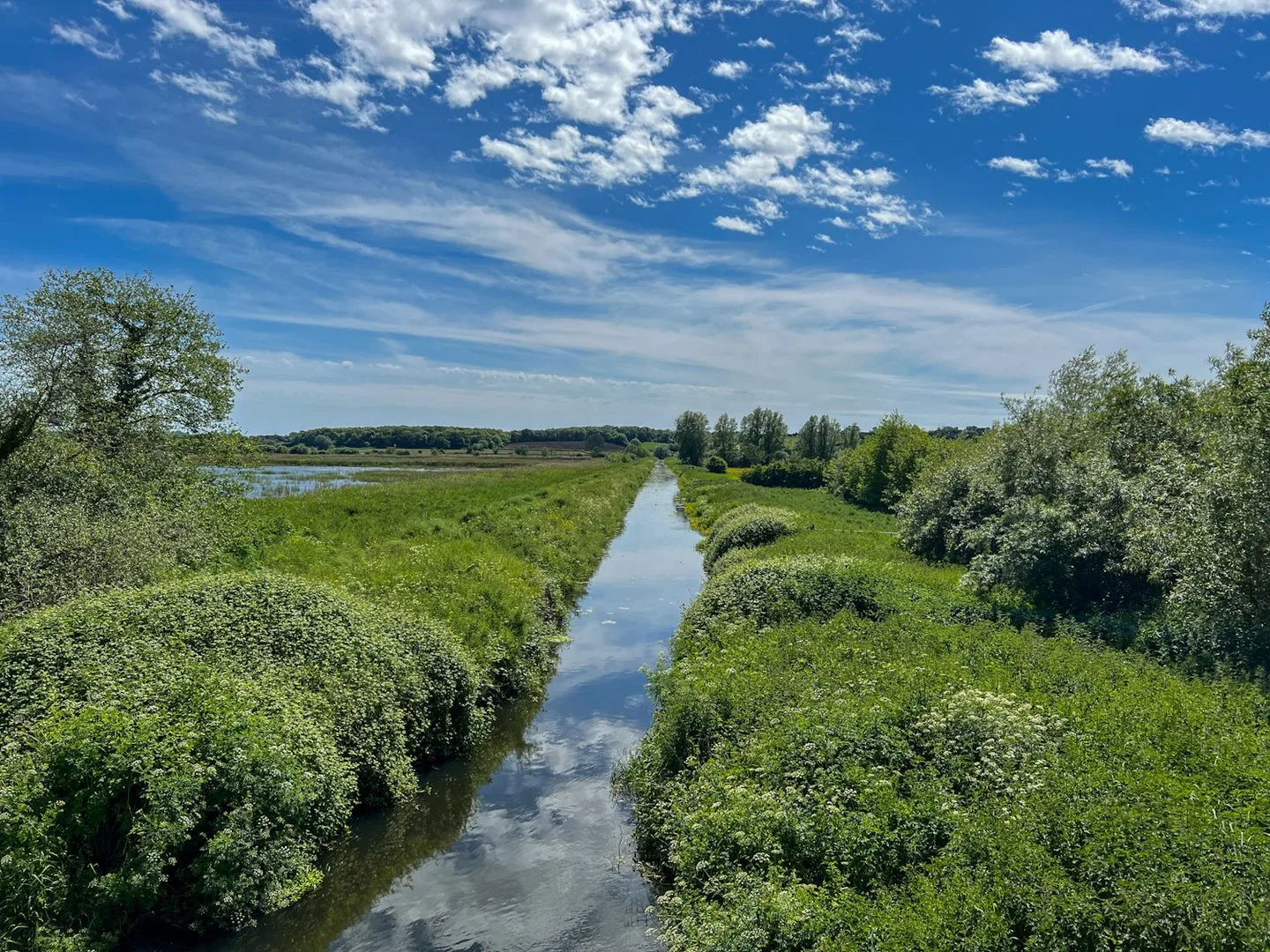
Look along your stretch from an accessible bank. Where does the water come from and where does it go? Note any pipes, bridges, screens or sudden changes in level, and any houses, roads or paths nearby. Photos taken from the same safe spot over time can help you distinguish a new problem from a permanent feature.
Who is responsible?
If you own land beside or over a watercourse, you may have rights and responsibilities as a riverside or ‘riparian’ owner. Check the deeds, leases and maintenance agreements. A roadside ditch can belong to the adjoining landowner, and an authority can maintain a river that belongs to someone else.
| Nation | Who to check with |
|---|---|
| England | You usually own a watercourse on or under your land, or as far as the centre of a boundary watercourse, unless the deeds show otherwise. Allow water to flow naturally and deal with obstructions that cause problems for others. Contact the Environment Agency for a main river, an official designation that includes some small streams. For other watercourses, contact the lead local flood authority or the internal drainage board. See owning a watercourse in England. |
| Wales | Owners are generally responsible for the bed, banks and structures and for allowing water to flow. If you rent, check your agreement with the owner. Natural Resources Wales (NRW) advises on main rivers and internal drainage districts. For other watercourses, start with the council’s flood team. See owning a watercourse in Wales. |
| Scotland | A riverside owner can undertake clearance and repair, subject to permissions. Ownership alone does not create a general duty to do so. Councils assess relevant bodies of water and schedule clearance or repair where it would substantially reduce flood risk. Their duty to carry out the work also takes account of the flood risk management plan. Ask your council about local flood concerns, and SEPA about environmental authorisation. See the Scottish Government’s clearance and repair guidance. |
| Northern Ireland | The Department for Infrastructure (DfI) Rivers maintains watercourses designated for maintenance at public expense. Riverside landowners maintain non-designated watercourses and DfI Rivers can require them to remove blockages. Ask DfI Rivers to confirm the designation of your stretch. See its rivers maintenance guidance. |
Reporting a problem does not transfer an owner’s responsibilities. Agree access and any shared work with your neighbours. Owning one bank does not give you access to the other.
Decide what actually needs doing
Look for a specific change. Rubbish may have collected across an opening, a branch may be caught against a bridge, or a pipe that used to carry water may have stopped flowing. Record where it is and what it affects. If flooding recurs or the cause is unclear, ask the relevant authority or a drainage or river specialist to look at it.
Vegetation, gravel and fallen wood provide habitat. Roots can stabilise a bank and woody material can slow the flow. Remove material only where you have identified a problem. Stripping, deepening or straightening a channel can damage habitat and change flood risk elsewhere. Silt removal alone may do little to prevent flooding. See the Environment Agency’s channel management handbook and watercourse vegetation guidance.
Small tasks you may be able to do yourself
Once you have checked ownership, access, wildlife and permissions, you may be able to do the following.
- Pick up ordinary litter from a dry, accessible bank using gloves and a litter picker.
- Move loose garden waste on your land away from the channel before rain washes it in.
- Trim small areas by hand from a stable bank where growth is causing a problem. Leave the roots and as much cover as possible.
- Keep an agreed inspection route accessible while leaving vegetation along the rest of the bank.
Stop and get advice if a task involves wading, leaning over a steep edge, pulling heavy loads, disturbing the bed or using machinery. Leave needles, chemical containers, suspected asbestos and animal carcasses alone. Ask the council or environmental regulator about safe removal.
Culverts and screens need special care
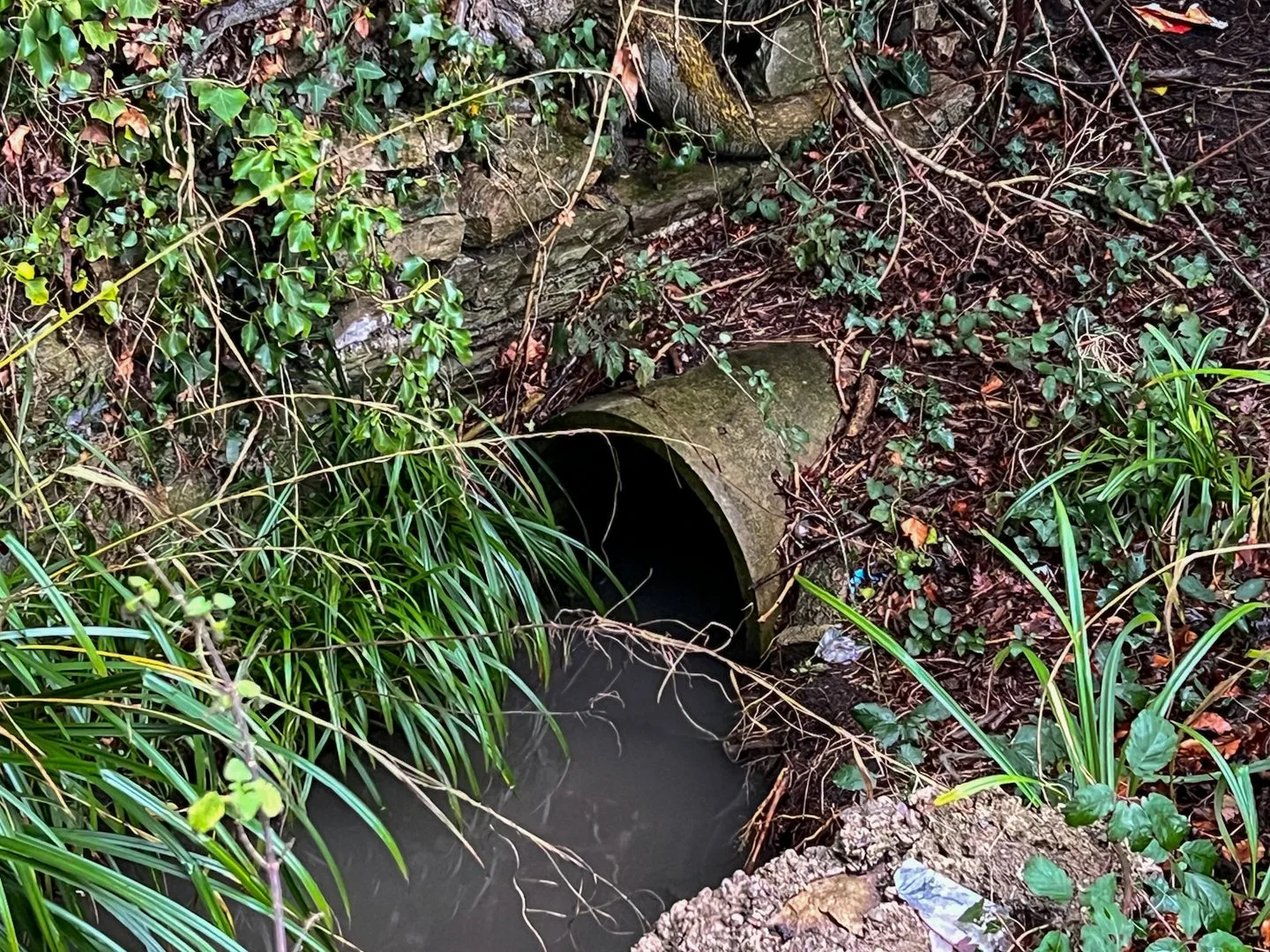
From a safe distance, look at the entrance and outlet for fresh debris, cracks, displaced pipework, erosion or water backing up. A photo of the entrance cannot establish the condition or capacity of the pipe beyond it.
Never enter a culvert, even if it looks dry. It may contain hidden drops or poor air, and rising water can trap you. Keep clear of openings and screens. A blockage can shift suddenly, releasing water held behind it.
For internal inspection, cleaning or repairs, use a trained contractor with suitable equipment and a safe working plan. Discuss the work and consents with the appropriate authority first. Leave public screens and flood control structures to their operator. A private screen also needs a planned inspection and maintenance routine. Seek specialist advice before fitting a grille, as it can create a new place for debris to collect.
Check permissions before starting work
Ask before removing silt, reshaping a bank, adding erosion protection, diverting flow or using machinery in the channel. Check before installing, altering or removing a culvert, bridge, weir or dam. Describe temporary works too, including anything that could narrow or block the channel while you work.
| Nation | How to check permissions |
|---|---|
| England | Check the Environment Agency’s flood risk activity permit guidance for work on or near a main river or its defences. Some activities are excluded subject to conditions, and some need a registered exemption. On ordinary watercourses, ask the lead local flood authority or internal drainage board. Section 23 of the Land Drainage Act 1991 covers specified obstructions and culvert works. Local byelaws can add controls. |
| Wales | Check with NRW about main-river flood risk activity permits and land drainage consent in an internal drainage district. Elsewhere, ask the council about ordinary watercourse consent. Check the conditions before relying on an exclusion or registered exemption. |
| Scotland | Use SEPA’s water activity authorisations and select the proposed activity. Depending on the work and scale, general binding rules, registration or a permit may apply. Where binding rules apply, follow every condition. Water activities moved from the Controlled Activities Regulations (CAR) to the Environmental Authorisations (Scotland) Regulations (EASR) on 1 November 2025. |
| Northern Ireland | Ask DfI Rivers about Schedule 6 consent for discharges or works affecting the free flow of a watercourse. Check separately with the Northern Ireland Environment Agency (NIEA) about discharges, pollution and environmental requirements. Check permissions even on a designated watercourse. |
You may also need planning permission, protected site consent, a wildlife licence, tree permissions, waste authorisation or a landowner’s agreement to enter. Keep written advice and approvals with their conditions. If the work is urgent, contact the appropriate authority straight away to discuss what can be done.
Choose the season around the place and its wildlife
- Spring. Look for winter damage from safe ground and plan surveys and permissions. Watch for nesting birds and signs that animals are using the bank.
- Summer. Check accessible structures for developing obstructions. Low water can make inspection easier, but the channel can still be dangerous. Fish and other wildlife still need protection.
- Late summer and autumn. Selective cutting may suit some sites. Check species and spawning times first. Retain uncut patches and avoid clearing both banks along the whole reach.
- Winter. Once a storm has passed and conditions have settled, look for new damage or serious obstructions from a safe distance. Keep off saturated banks and away from high flows.
There is no single safe maintenance month across the UK. Birds can nest outside the usual season, and active nests are protected in Great Britain and Northern Ireland. Fish spawning periods vary by species and location. If you find a nest, a burrow or signs of a protected species, stop and get ecological advice before continuing.
Check boots and tools for plants, animals and mud. Clean and dry them before moving to another watercourse. See the Environment Agency’s aquatic plant management guide (PDF) or Invasive Species Northern Ireland’s advice. If you suspect an invasive plant, get advice before cutting or moving it. Fragments can spread some species. Check the rules and obtain any required permissions before using herbicides in or near water.
Work safely and dispose of material properly
Keep away from soft edges, undercut banks, steep slopes, deep silt, overhead cables and machinery. If there is a risk of falling into water, stop and get professional advice about safe access and rescue. Avoid lone working near water.
Cover cuts, avoid splashes to the face and wash your hands before eating. Water and wet soil can carry infections, including leptospirosis (NHS). If you feel unwell afterwards, tell the clinician about the exposure.
Keep cuttings, waste and excavated material out of the channel and away from places where rain could wash them back. Agree how to dispose of material before work starts. Silt can be contaminated or subject to waste controls. Get advice before spreading it on a field or bank.
When to call in help or report a concern
Get specialist help with unstable banks, large trees, damaged structures, repeated flooding, culverts, deep water or uncertain environmental effects. Ask the contractor how they will manage safety, permissions and waste.
- England. Call the Environment Agency if a main river is flooding. Its online route covers river blockages. Contact the council’s flood team for flooding from smaller watercourses, or the relevant drainage board where applicable. Report a flood or possible cause of flooding.
- Wales. Report main-river flooding or pollution to NRW and ordinary-watercourse flooding to the council. Find the right contact for a river, stream or culvert.
- Scotland. Contact the council about watercourse obstructions or local flood concerns. SEPA provides flood information and warnings and regulates environmental impacts.
- Northern Ireland. Contact DfI Rivers about watercourse issues. For current flooding, call the Flooding Incident Line on 0300 2000 100. Report water pollution to NIEA.
Give the location, date, what has changed and who or what is at risk. Include photos if you can take them safely. Record inspections, advice, permissions and work. Use the site’s history to decide when to inspect again.
Avoid treating every patch of vegetation as a blockage, deepening a ditch each year without a clear need, or leaving cuttings where they can wash back. Before speeding up the flow or adding a screen, consider what happens to the water and debris downstream.
For a street drain, see How to look after a road gully.
Guidance checked on 21 November 2026. Use the national guidance for your location and the work you propose.